


Introduction: The Evolving World of Retail
Shopping has always been more than a transaction. From ancient marketplaces to gleaming modern malls, and now to the boundless digital storefronts of the internet age, the relationship between stores, consumers, and products is one of the most dynamic forces shaping human culture and economy. Today, that relationship is undergoing a transformation unlike anything we've seen before — driven by technology, shifting values, and a new generation of empowered shoppers.
In this post, we'll explore how modern retail stores operate, what today's consumers truly want, and how products are evolving to meet those expectations. Whether you're a business owner, a curious shopper, or someone passionate about commerce, this deep dive will give you a fresh perspective on the world of buying and selling.
The Modern Retail Store: More Than Just a Place to Buy Things
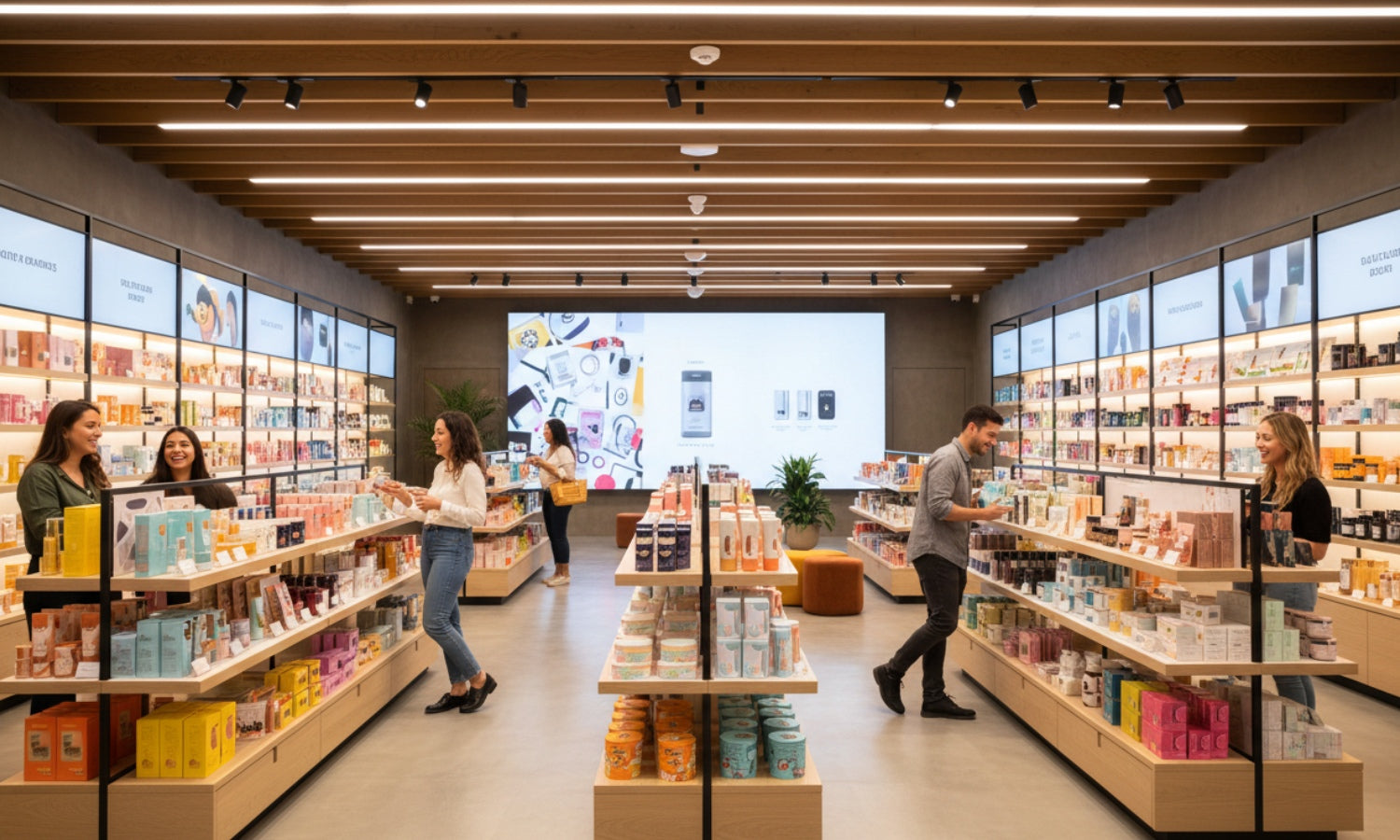
Walk into any successful retail store today and you'll notice something immediately — it's not just about the products on the shelves. The best stores are experiences. They're carefully curated environments designed to make you feel something: inspired, comfortable, excited, or even nostalgic.
Retailers have long understood that the physical environment plays a massive role in consumer behavior. Lighting, music, scent, layout — every detail is intentional. Apple Stores, for example, are designed to feel open and inviting, encouraging customers to touch and interact with products. Luxury fashion boutiques use dim lighting and minimalist displays to create an air of exclusivity. Even your local grocery store strategically places fresh produce at the entrance to signal freshness and quality.
But the modern store goes even further. Today's retailers are blending the physical and digital worlds in ways that were unimaginable just a decade ago. Interactive displays, QR codes that link to product stories, augmented reality fitting rooms, and seamless mobile checkout are becoming standard features. The line between online and offline shopping is blurring — and consumers love it.
Understanding the Modern Consumer
Who is the modern consumer? The answer is more complex than ever. Today's shoppers are informed, connected, and increasingly values-driven. They have access to more information than any previous generation, and they use it.
The Informed Shopper
Before making a purchase, the average consumer today reads multiple reviews, compares prices across platforms, watches unboxing videos, and checks social media for peer recommendations. The days of simply trusting a salesperson's pitch are largely over. Consumers want data, transparency, and authenticity.
This shift has enormous implications for businesses. A single negative review can deter dozens of potential buyers. Conversely, a glowing testimonial from a trusted influencer can drive thousands of sales overnight. Reputation management and customer experience have never been more critical.
The Values-Driven Buyer
Modern consumers — particularly Millennials and Gen Z — are increasingly making purchasing decisions based on values. They want to know: Is this product ethically made? Is the company environmentally responsible? Does this brand stand for something I believe in?
Studies consistently show that a significant portion of consumers are willing to pay a premium for products from brands that align with their values. Sustainability, fair trade, diversity and inclusion, and community involvement are no longer just nice-to-haves — they're competitive differentiators.
Brands that authentically embrace these values build deep loyalty. Those that merely pay lip service to them risk backlash. Consumers today are savvy enough to spot the difference.
The Convenience-Obsessed Customer
At the same time, modern consumers are busier than ever and have come to expect frictionless experiences. Same-day delivery, one-click purchasing, easy returns, and 24/7 customer support are now baseline expectations for many shoppers. Convenience is king.
This is why giants like Amazon have been so disruptive — they've set a standard for convenience that every retailer, large or small, must now contend with. The good news for smaller businesses is that personalization and community connection can more than compensate for what they lack in logistical scale.
The Product: The Heart of the Transaction
At the center of every retail experience is the product itself. And products, too, are evolving in fascinating ways.
Quality Over Quantity
There's a growing movement among consumers toward buying fewer, better things. The fast fashion model — cheap products designed to be discarded quickly — is facing increasing scrutiny. In its place, many consumers are embracing a philosophy of intentional purchasing: investing in high-quality items that last longer, serve multiple purposes, and bring genuine satisfaction.
This trend is great news for businesses that prioritize craftsmanship and durability. It rewards transparency about materials and manufacturing processes. And it creates opportunities for storytelling — helping consumers understand the value behind the price tag.
Personalization and Customization
One of the most exciting developments in modern retail is the rise of personalized products. Advances in manufacturing technology, data analytics, and AI have made it possible for businesses of all sizes to offer customized experiences at scale.
From monogrammed accessories to skincare formulated for your specific skin type, from custom-fit clothing to personalized nutrition plans — consumers increasingly expect products tailored to their individual needs and preferences. This isn't just a luxury trend; it's becoming a mainstream expectation.
The Story Behind the Product
In a crowded marketplace, the story behind a product can be just as important as the product itself. Where was it made? Who made it? What inspired its creation? What problem does it solve?
Consumers connect with narratives. A handcrafted candle made by a small family business carries a different emotional weight than an identical candle produced in a factory overseas — even if the physical product is the same. Smart brands leverage storytelling to create emotional connections that transcend the transactional.
The Digital Revolution: Reshaping Every Aspect of Retail
No discussion of modern retail would be complete without addressing the seismic impact of digital technology. E-commerce has fundamentally changed how stores operate, how consumers shop, and how products reach their buyers.
The Rise of Online Shopping
Global e-commerce sales have grown exponentially over the past decade, a trend dramatically accelerated by the COVID-19 pandemic. Today, consumers can browse millions of products from the comfort of their homes, compare prices in real time, and have purchases delivered to their door — sometimes within hours.
For businesses, this has opened up incredible opportunities. A small artisan can now sell to customers across the globe. Geographic barriers have largely dissolved. The global marketplace is accessible to anyone with a quality product and an internet connection.
Social Commerce
Social media platforms have evolved from marketing channels into full-fledged shopping destinations. Instagram, TikTok, Pinterest, and Facebook now offer integrated shopping features that allow consumers to discover and purchase products without ever leaving the app.
This has given rise to a new breed of retailer: the social-first brand. These businesses build their audiences on social platforms, use authentic content to showcase their products, and convert followers into customers through seamless in-app purchasing. For many modern brands, social commerce is their primary sales channel.
Data and Personalization
The digital revolution has also given retailers unprecedented insight into consumer behavior. Every click, search, and purchase generates data that can be used to personalize the shopping experience, predict trends, optimize inventory, and target marketing with laser precision.
When done ethically and transparently, data-driven personalization creates genuine value for consumers — helping them discover products they'll love and reducing the noise of irrelevant advertising. The key is building trust: consumers are more willing to share their data when they understand how it will be used and when they see tangible benefits in return.
Building Lasting Relationships: The Future of Retail
The most successful retailers of the future won't just be good at selling products — they'll be good at building relationships. In an era of infinite choice and easy comparison shopping, loyalty is earned through consistent value, authentic connection, and exceptional experience.
Community Building
Forward-thinking brands are investing in community as a core business strategy. Whether through loyalty programs, exclusive member events, online forums, or social media engagement, they're creating spaces where customers feel like they belong to something larger than a simple buyer-seller relationship.
When customers feel part of a community, they become advocates. They recommend products to friends, defend the brand against criticism, and return again and again — not just because the product is good, but because they feel connected to the brand's mission and values.
Customer Service as a Differentiator
In the age of automation, genuinely human customer service has become a powerful differentiator. Consumers who feel heard, valued, and well-served become loyal customers. Those who feel ignored or dismissed take their business — and their reviews — elsewhere.
Investing in customer service isn't just a cost center; it's a growth strategy. Every positive interaction is an opportunity to deepen a relationship and create a brand ambassador.
Sustainability as a Business Model
The future of retail is sustainable — not just because consumers demand it, but because it makes good business sense. Brands that reduce waste, use ethical supply chains, and minimize their environmental footprint are building resilience into their operations while attracting a growing segment of conscious consumers.
Sustainability isn't a trend that will pass. It's a fundamental shift in how businesses must operate to remain relevant and responsible in the decades ahead.
Conclusion: A New Era of Commerce
The relationship between stores, consumers, and products has never been more complex — or more exciting. We're living through a period of profound transformation in retail, driven by technology, changing values, and the ever-evolving expectations of a new generation of shoppers.
For businesses, the opportunity is immense. Those who listen to their customers, tell authentic stories, embrace innovation, and build genuine relationships will thrive. Those who cling to outdated models risk being left behind.
For consumers, this new era offers more choice, more transparency, and more power than ever before. The ability to support businesses that align with your values, to find products perfectly suited to your needs, and to connect with brands that feel like communities — these are remarkable gifts of the modern marketplace.
The future of retail belongs to those who understand that commerce, at its best, is about more than transactions. It's about connection, trust, and the shared human experience of finding something that truly meets a need — and maybe even brings a little joy along the way.


Leave a comment
All comments are moderated before being published.
This site is protected by hCaptcha and the hCaptcha Privacy Policy and Terms of Service apply.